


Detecting Fraudsters in Hiring and Lending: Document Verification and Biometrics
The Scale of the Problem: Why Manual Checks No Longer Work
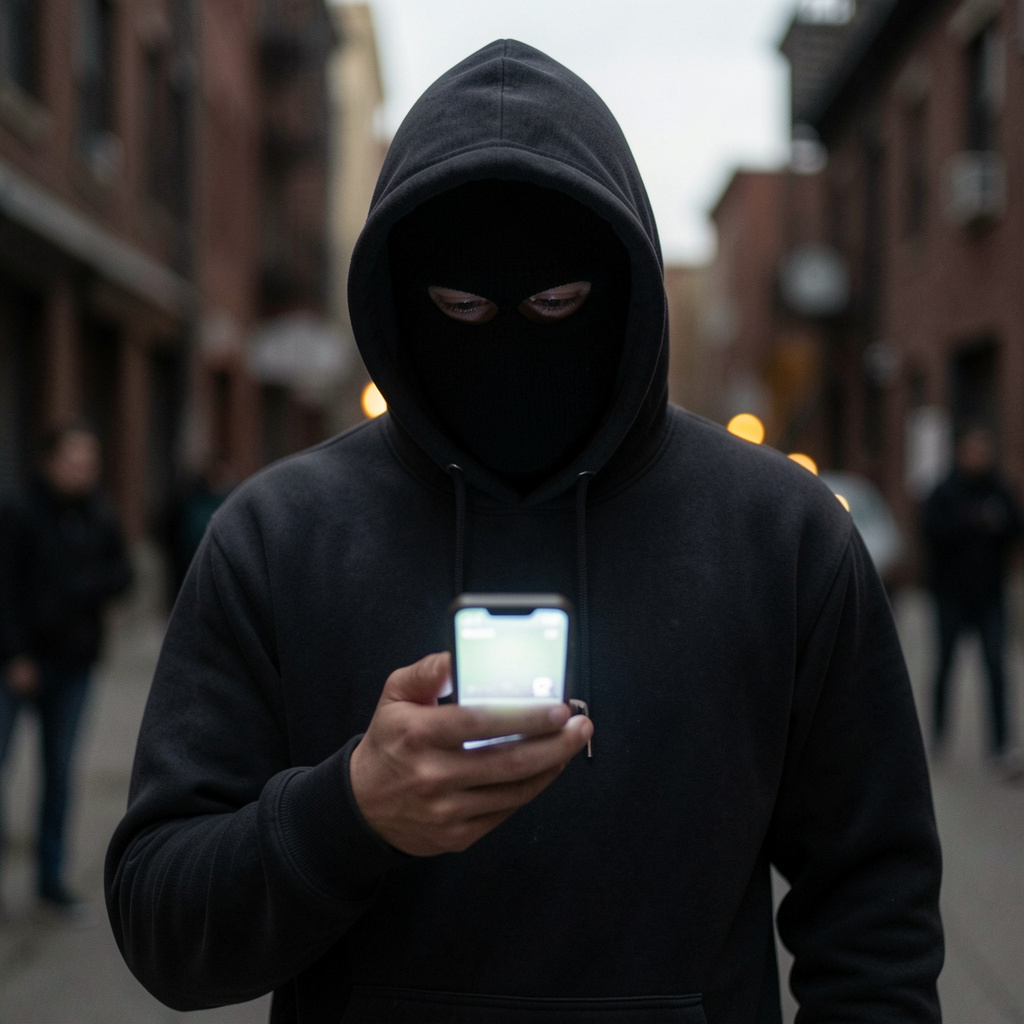
Every year, HR departments at large companies and loan officers at banks run into the same situation: someone presents flawless documents, aces the interview, gets access to company resources or a loan – and then vanishes. Or they stay, but start systematically exploiting that trust for their own gain.
Fake diplomas, passports with swapped photos, stolen identities, fabricated employment histories – these are no longer isolated incidents. According to corporate security experts, nearly 30% of resumes contain distorted or deliberately false information. Credit fraud using forged or stolen documents costs Russian banks tens of billions of rubles every year.
At this scale, manual verification simply doesn't work. Visually inspecting a passport, calling a previous employer, checking a diploma against a registry – that takes days, consumes resources, and only provides shallow results. An experienced fraudster knows exactly where standard checks stop working.
Common Fraud Patterns: What Hides Behind Perfect Documents
Before talking about countermeasures, let's look at how these schemes actually operate.
Fake diplomas and credentials.
The market for forged educational documents has been around for a long time. High-quality fake forms are reproduced so accurately that they don't raise red flags during a quick visual check. When hiring for roles with access to finances, sensitive data, or people management, such documents create serious risk.
Passports with altered data.
Replacing a photo, scrubbing out a last name or date of birth, tweaking serial numbers – none of this is visible without detailed forensic analysis. Under high workload, the human eye often misses these manipulations.
"Ghosts" and identity theft.
Using real people's personal data – from deceased individuals, people who lost their documents, or those who have no idea their identity is being used – has become a major category of fraud. In lending, this is especially dangerous: loans are taken out in someone else's name, and collecting the debt turns into a legal nightmare.
The same person, multiple identities.
One person registers with several banks or employers using different fake identities, gets loans or jobs, and then disappears. Without cross-checking between organizations, these schemes are nearly impossible to detect.
Personal data trading.
Bought or stolen personal data of real people with good credit histories is used to get loans or land trusted positions. Victims often find out months later.
Why Standard Verification Tools Aren't Enough
Many companies still rely on HR managers calling previous employers, visually checking documents, and querying public registries. Each of these methods gives only partial coverage – not the full picture.
- Checking a diploma registry only tells you if a document exists, not whether it actually belongs to the person standing in front of you.
- A visual passport check won't detect digital retouching.
- Calling a previous employer doesn't rule out collusion – or just an honest mistake from whoever answers the phone.
Moreover, modern fraud is deliberately designed to exploit the weak spots in these standard procedures. Forgeries aren't crude anymore – they're surgical, targeting exactly where checks are least thorough. Biometrics are spoofed using high-quality printouts or pre-recorded videos.
That's why AI-powered document forgery detection has become standard at major HR services and banks – not because it's trendy, but because the alternatives simply can't keep up with today's threats.
How Modern Verification Systems Work
The technological answer to these threats is built on several interconnected layers.
Document Analysis for Forgery Signs
Machine vision algorithms scan document images for traces of manipulation: font mismatches, broken security element geometry, signs of digital editing, color transition anomalies. A human working manually can't possibly analyze all these details at once – there are too many parameters and too much granularity.
Importantly, modern systems can handle low-quality photos taken in poor lighting or at odd angles. Neural networks are trained on large datasets of real documents and can tell the difference between camera artifacts and actual forgery signs.
Biometric Matching
The photo on the document is compared to a live image of the person presenting it. Facial recognition algorithms work regardless of lighting, angle, or minor changes in appearance. If the passport belongs to someone else – even a close lookalike – the mismatch will be caught.
An extra layer comes from analyzing online data: information the person has left publicly is compared against what they submitted. Discrepancies in location, age, or professional history trigger deeper checks.
Liveness Detection
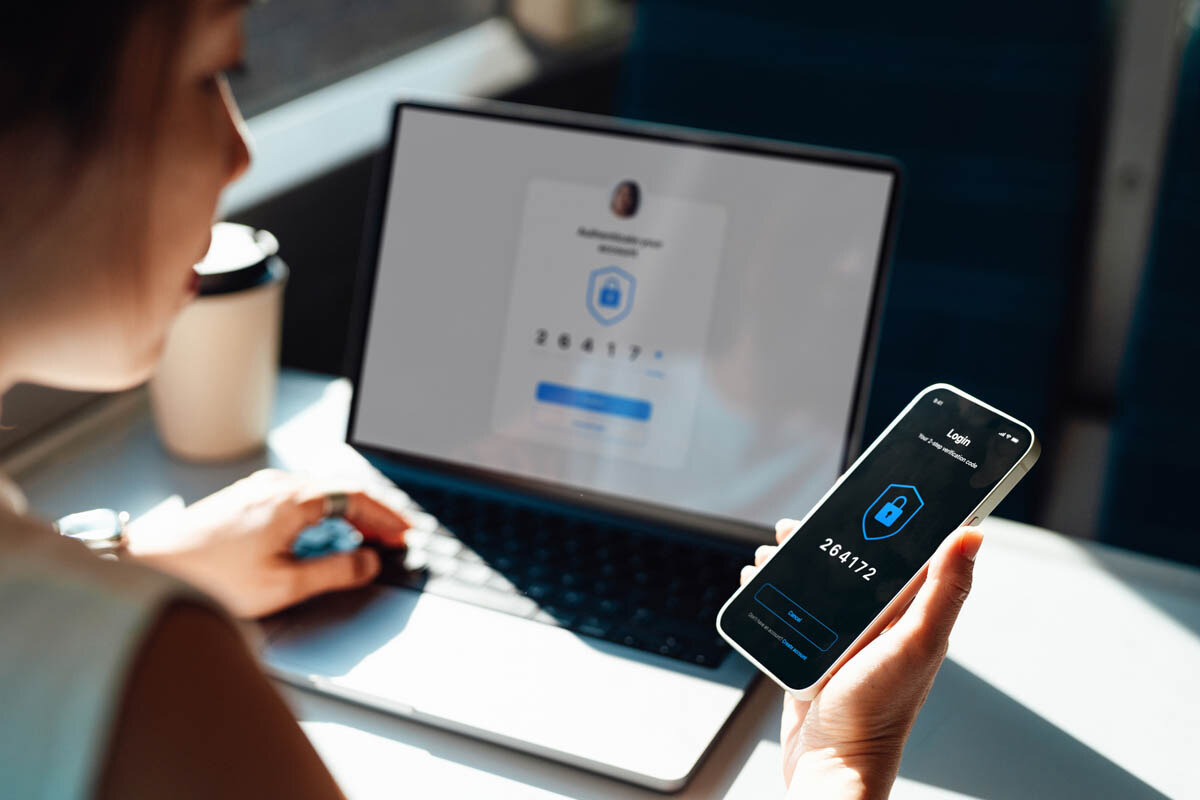
A critical, standalone task: making sure there's a real, live person in front of the camera – not a photo, printout, or video replay. Liveness algorithms analyze micro-movements, responses to random challenges, and image artifacts that are impossible to reproduce from a screen. This shuts down most identity spoofing attacks in remote verification.
Cross-Verification Across Multiple Sources
The most reliable results don't come from checking a single parameter in isolation, but from comparing data across dozens of sources at once: official registries, social media, resume databases, internal archives. A mismatch between what someone put on their application and what independent sources say about them can be a red flag – even when their documents look perfect.
Reducing Hiring Risks: How the Process Works
Organizations that have built systematic verification into their hiring process follow a multi-stage workflow.
Stage 1 – Data intake and initial screening
The system receives the candidate's application data: full name, date of birth, passport details, tax ID (INN), contact information. Algorithms automatically cross-check this against official registries (corporate register, tax service, property records, etc.). At the same time, they search open internet sources: social networks, job boards, resume databases. Key detail: archived data is retained even after it's deleted from the original source – so no one can "clean" their history before applying.
Stage 2 – Image comparison
The system compares three things: the photo from the ID document, a current picture of the candidate, and any public photos found online. The algorithm checks the document for forgery signs and verifies biometric matching.
Stage 3 – Hidden relationship detection
The system looks for non-obvious connections: Is the candidate listed as a founder of a company that went bankrupt with debts? Is their data found in known incident databases? Does their history overlap with other risky individuals already in the system?
The security specialist gets a structured report with a risk score for each parameter. This takes a fraction of the time of a manual check – and goes far deeper.
Lending: Where Document Fraud Hurts the Most
In banking and microfinance, verification has its own constraints. Speed is critical – clients won't wait days for a manual security review. Yet the loss from a single fraudulent loan can dwarf the cost of thousands of legitimate checks.
Automated scoring systems powered by open-source data can assess borrowers not just by their application, but by their real digital footprint: online activity, location history, contact patterns, behavior on social platforms. Combined, these signals give much more accurate predictions than traditional methods.
Remote channels deserve special attention. Online loan applications where the client never shows up in person are the most vulnerable point. That's exactly where liveness detection and biometric matching deliver the biggest risk reduction – for both lending and hiring.
Why Non-Obvious Connections Matter
Identity verification doesn't stop with documents. Sometimes the documents are perfectly real, and the person is real – but they're connected to known fraudsters. Without analyzing hidden links, these cases slip through.
Modern analytical platforms build relationship graphs between entities: shared phone numbers, organizations mentioned together in public sources, overlaps in employment history. Finding these patterns helps prevent you from bringing in affiliated individuals – even before they get access to anything sensitive.
IAS «NEO» by BIT – Platform Overview
The NEO Information and Analytical System (IAS NEO) is a tool for organizations that need to truly know who they're dealing with. The platform collects and systematizes data on individuals and companies from dozens of sources: official registries, social networks, resume databases, job boards, and its own internal archives.
You can search by:
- Application data – full name, date of birth, tax ID (INN), phone number, email address
- Facial image
NEO runs on Windows, macOS, and Linux. It integrates easily into existing infrastructure and handles over one million requests per day. Users include banks from Russia's top 10 largest financial institutions.
NEO is used in finance, employee hiring, and contractor/vendor management – anywhere you need reliable counterparty verification before you start working together.